If you’re searching “medical facial near me,” you’re probably not looking for a cucumber mask, you want to see a change in your skin. The good news is there’s a treatment built exactly for that, but it’s not what you’ll find at a day spa. Here’s what you need to know before you book.
What Is the Difference Between a Spa Facial and a Medical Grade Facial?
What Is a Spa Facial?
A spa facial is a surface-level treatment performed by a licensed esthetician using cosmetic-grade products. It’s designed for relaxation and usually includes a cleanse, some steam, and a hydrating mask. Your skin will feel refreshed for a day or two, but cosmetic-grade products are formulated to work on the surface of your skin, which means they can’t meaningfully treat acne, hyperpigmentation, or signs of aging.
What Is a Medical Grade Facial?
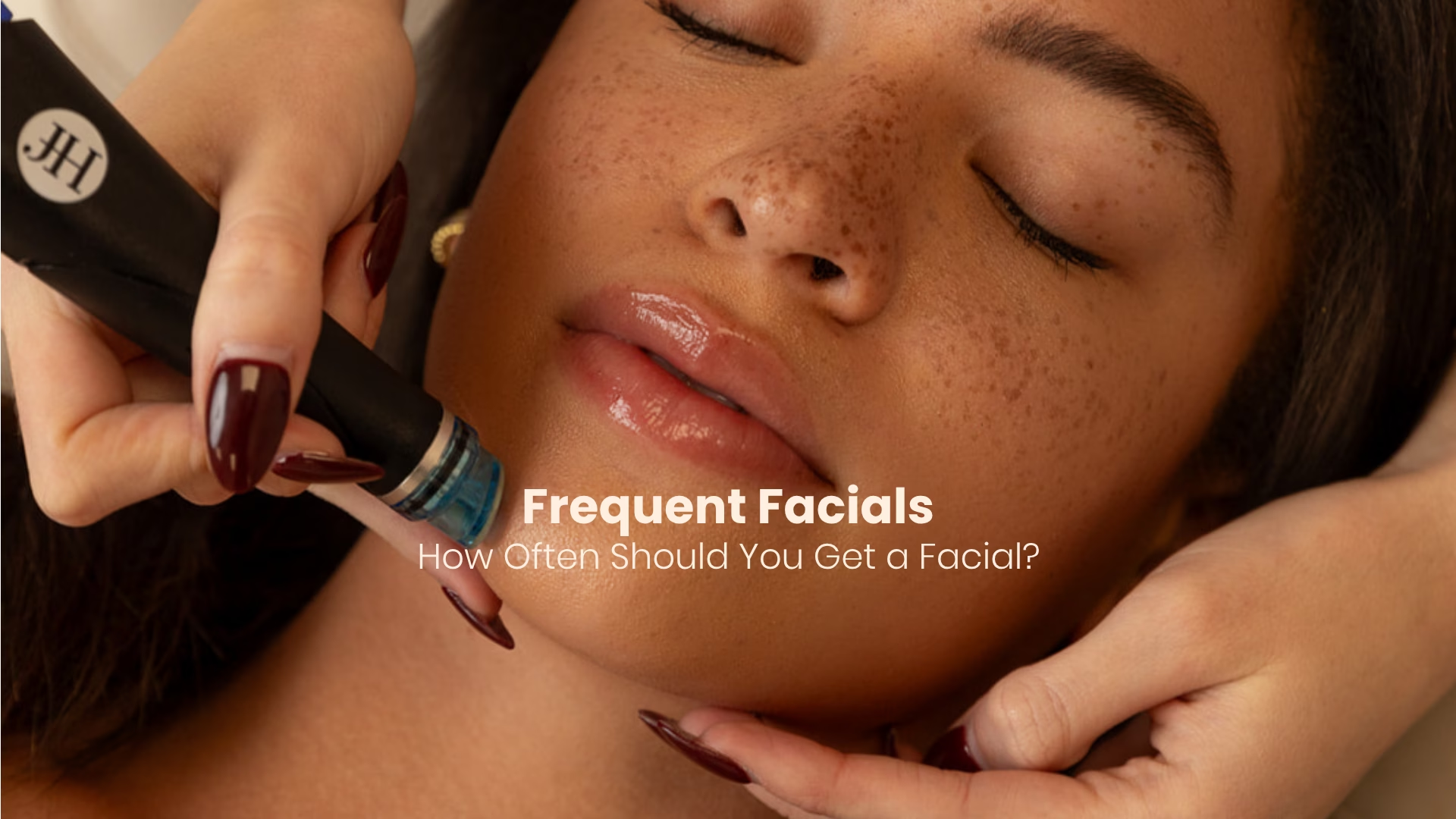
A medical grade facial is a clinical skin treatment performed by a medically trained esthetician, physician assistant, or nurse practitioner. It uses clinical-strength ingredients formulated to work below the epidermis at the cellular level where meaningful skin improvements happen. Your provider starts with a full skin analysis and builds a treatment plan around your specific concerns. Results are measurable, cumulative, and last longer than anything you’ll get at a spa.
Is a Medical Grade Facial Worth It?
For patients dealing with signs of aging, persistent acne, uneven skin tone, or rosacea a medical grade facial will deliver noticeable improvements.
Anti-Aging Facial Treatment
An anti-aging facial at a medical spa isn’t designed for relaxation, it’s a targeted protocol. Your provider may use medical-grade serums, chemical peels, or enzyme exfoliants designed to stimulate collagen production and accelerate cell turnover. Combined with treatments like microneedling, a medical-grade facial addresses fine lines, texture, and laxity in a way spa products can’t replicate.
Facial for Acne
Acne is a medical condition and responds best to medical treatment. A clinical acne facial uses prescription-strength salicylic acid, benzoyl peroxide, or mandelic acid alongside extractions and a targeted home care plan. Your provider can also address post-acne scarring and hyperpigmentation left behind after breakouts clear. If over-the-counter products haven’t worked, a medical-grade facial is the next logical step.
Facial for Hyperpigmentation
Dark spots, uneven skin tone, and melasma don’t respond well to surface-level treatments. Medical-grade facials for hyperpigmentation use prescription brighteners like azelaic acid, kojic acid, or hydroquinone, along with chemical exfoliants that break up pigment clusters below the surface. Results vary by skin type and cause of pigmentation, so your provider will build a plan specific to your skin, something a spa cannot offer.
What to Expect After a Medical Grade Facial
The experience after a medical grade facial depends on what was done, but you should expect your skin to look and feel different than it does after a spa treatment. Some redness or sensitivity is normal for 24–48 hours, especially after chemical exfoliation or extractions. Your provider will give you specific aftercare instructions, and following them is part of the treatment.
Medical Facial Benefits
The benefits of a medical grade facial go beyond how your skin looks when you leave the office. Because the products penetrate deeper and the treatment is customized, you see cumulative improvement over a series of sessions. Consistent medical facials improve skin tone and texture, reduce breakouts, slow visible aging, and enhance the effectiveness of your at-home skincare routine.
Medical Grade Skincare Used During Your Facial
The products used in a medical grade facial, along with your provider’s training, are what set it apart. Medical-grade skincare is formulated at concentrations that require a licensed provider. Ingredients like tretinoin, prescription niacinamide, and professional-strength glycolic acid aren’t available over the counter and require expert training so they are used correctly. Your provider selects the right combination based on your skin goals and monitors how your skin responds over time, adjusting the protocol as needed.
Who Should Get a Medical Grade Facial?
A medical grade facial is a good fit for anyone with a specific skin concern they haven’t been able to resolve on their own; whether that’s persistent acne, melasma, early signs of aging, or texture that doesn’t improve with at-home products. It’s also a strong choice for anyone looking to maintain results from injectables or other in-office treatments. You don’t have to be struggling with a serious condition to benefit; you just have to want more than a surface-level result.
If you’re in Nashville or Decatur, AL and ready to see what a medical grade facial can actually do for your skin, ElaMar Aesthetics offers personalized clinical treatments built around your goals, not a one-size-fits-all menu. Book a consultation to find out which treatment is right for you.