How to Handle Fall Breakouts
Fall feels like a reset. New routines, cooler air, and the quiet hope that your skin is finally going to cooperate. And then it doesn’t. For a lot of people, breakouts pick up right as summer winds down, which is frustrating and confusing in equal measure. This post breaks down why fall triggers breakouts, how to adjust your routine, and why this season is actually one of the better times to start treating the marks and scars that past breakouts left behind.
Why Do I Break Out in the Fall?
It’s not in your head. The seasonal shift from summer to fall creates a set of conditions that can throw your skin off balance, especially if it’s acne prone.
Your Skin Is Still in Summer Mode
Your skin doesn’t update itself the moment the calendar changes. After months of heat, humidity, and sun exposure, your skin has been producing extra oil to compensate for summer conditions. When the temperature drops, that oil production doesn’t immediately recalibrate. You can end up with oilier skin which creates an environment where breakouts tend to follow.
Lower Humidity = Dehydrated (But Oily) Skin
Fall air tends to be drier than summer air. When your skin loses moisture from environmental dryness, it tries to compensate by producing more oil. The result is skin that’s simultaneously dehydrated and oily, a frustrating combination to manage. This is why fall breakouts often feel different from summer ones: they tend to show up in unexpected places, or alongside skin that feels tight and dull at the same time.
Friction from Fall Fabrics
Turtlenecks, scarves, and heavier fabrics that feel right in October have a way of keeping sweat and bacteria pressed against your skin. The friction from fabric rubbing against your jawline, chin, and neck can irritate follicles and contribute to breakouts, a pattern sometimes called acne mechanica. If you notice your breakouts trending toward the lower face and neck right as fall sets in, fabric friction could be part of what’s driving it.
Routine Disruptions and Stress
Back to school, back to work, the general re-entry into structure that fall brings all add up. Stress affects hormones, and hormones affect your skin. Skipping steps in your routine when things get busy or simply sleeping less while adjusting to a new schedule can all create openings for breakouts to move in.
How to Care for Your Skin Through Fall Breakouts
The instinct when you’re breaking out is often to go harder: more products, stronger actives, more frequent washing. This approach often harms your skin barrier and causes even worse breakouts. A more measured response, one that addresses what’s happening without making it harder for your skin to recover, is generally more effective.
Don’t Over-Strip or Over-Dry
Cleansers and treatments strong enough to strip oil and bacteria can also damage your skin barrier in the process. A compromised barrier makes it harder for your skin to regulate moisture, which drives more oil production, which often leads to more breakouts. A gentle, non-stripping cleanser used consistently tends to be more impactful more over time. If your skin feels tight after washing, that’s usually a sign the cleanser is too harsh for your skin right now.
Swap Your Moisturizer, Don’t Skip It
Moisturizer is not optional when you’re breaking out, even if your skin feels oily. Acne-prone skin still needs hydration and balance. The goal is finding the right texture: something lightweight and non-comedogenic that won’t sit heavy on the skin or clog pores. Your provider can help you figure out what’s appropriate for your skin type if you’re not sure where to start.
Add a Professional Acne Facial to Your Rotation
A professional acne facial addresses what’s building up under the surface in ways your home routine can’t. Whether you’re looking for an acne facial in Nashville or an acne facial in Decatur it’ll give your skin a head start before the season fully sets in.
What Is an Acne Facial?
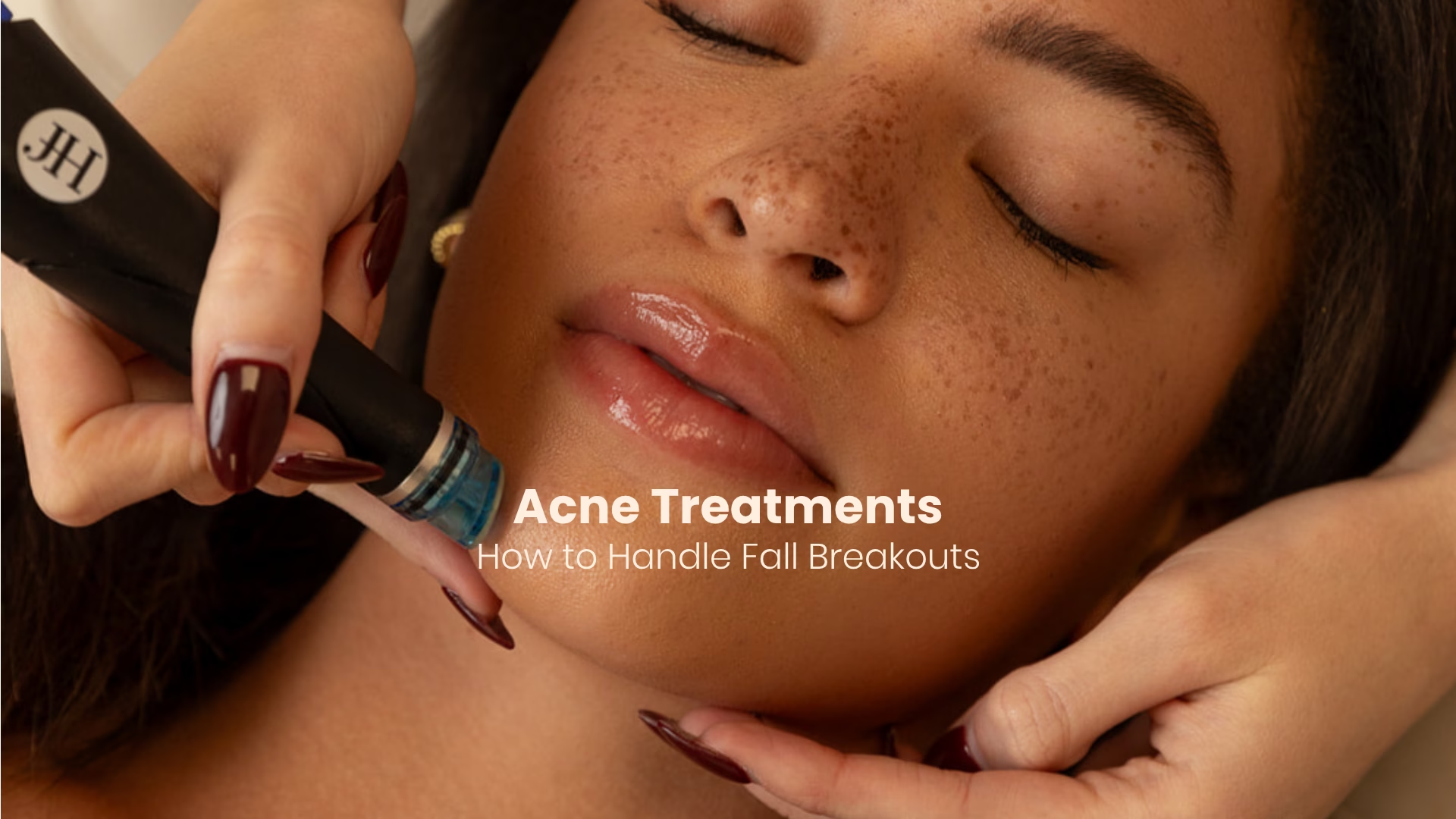
An acne facial is a targeted treatment designed specifically for breakout-prone skin. It’s not the same as a relaxation facial, and it’s worth understanding what’s actually involved before you book one.
How It Differs from a Regular Facial
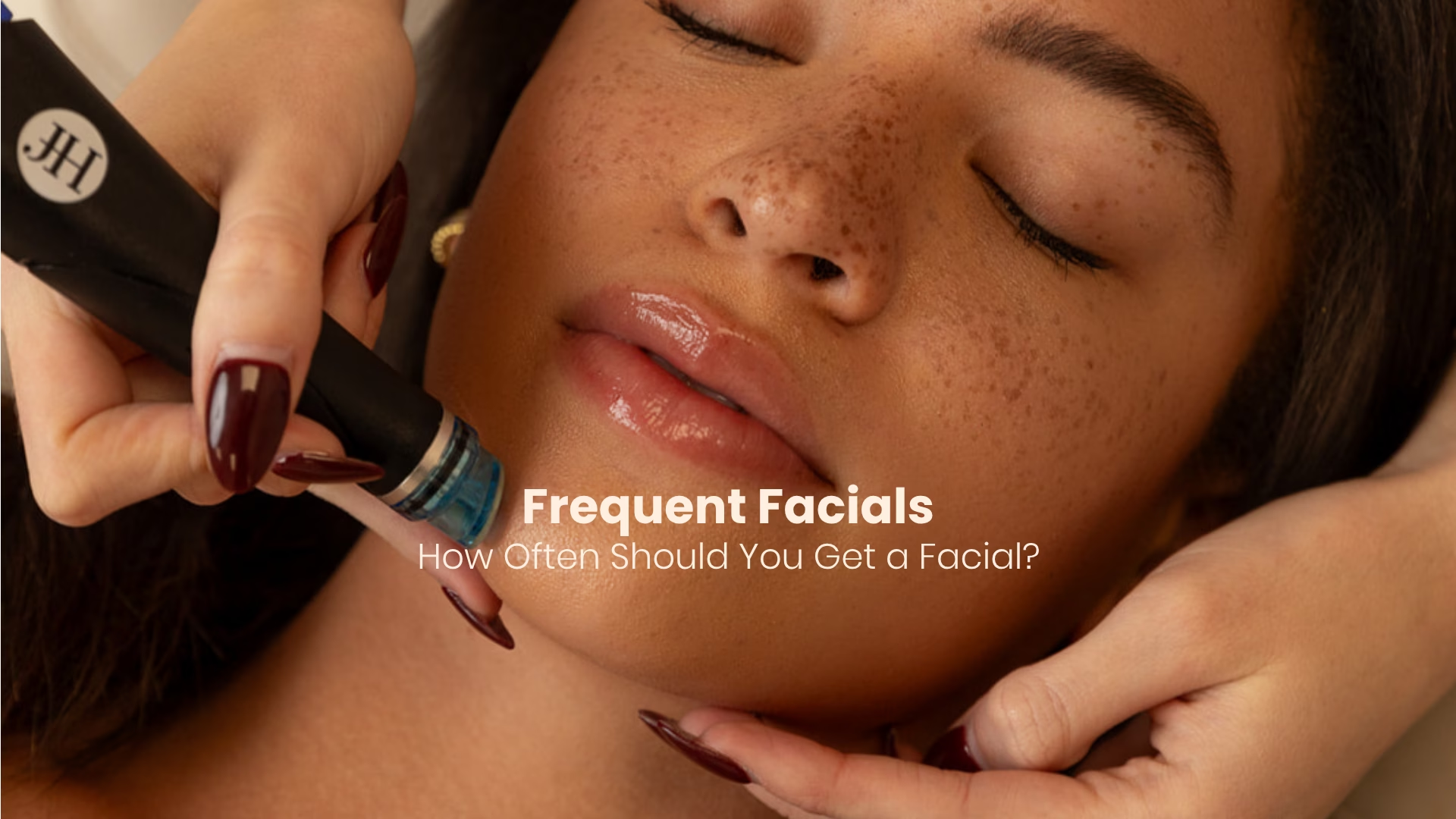
A standard facial focuses on cleansing, hydration, and a general improvement in skin health. An acne facial goes further into the pore. It typically includes extractions, targeted exfoliation, and products designed to reduce active breakouts and help prevent new ones. The goal is a clinical improvement in congestion, inflammation, and skin texture rather than a relaxing experience.
How Often Should You Book One?
For active breakouts, monthly is a reasonable starting point for most people. Depending on how your skin responds and what other treatments you’re incorporating, your provider may suggest adjusting that frequency. Consistency matters more than any single session: the results build over time, and spacing appointments out too far can reset progress that was building.
Fall Is Also the Best Time to Treat Acne Scars
If breakouts from the past have left marks or texture behind, fall creates one of the better treatment windows of the year. Sun exposure is lower and more predictable, which matters quite a bit for treatments that require the skin to heal without UV interference.
Microneedling for Acne Scars
Microneedling creates micro-channels in the skin that prompt a collagen response. Over a series of treatments, that new collagen helps smooth and fill depressed acne scars, including rolling scars and some boxcar scars.
Chemical Peels for Post-Acne Marks
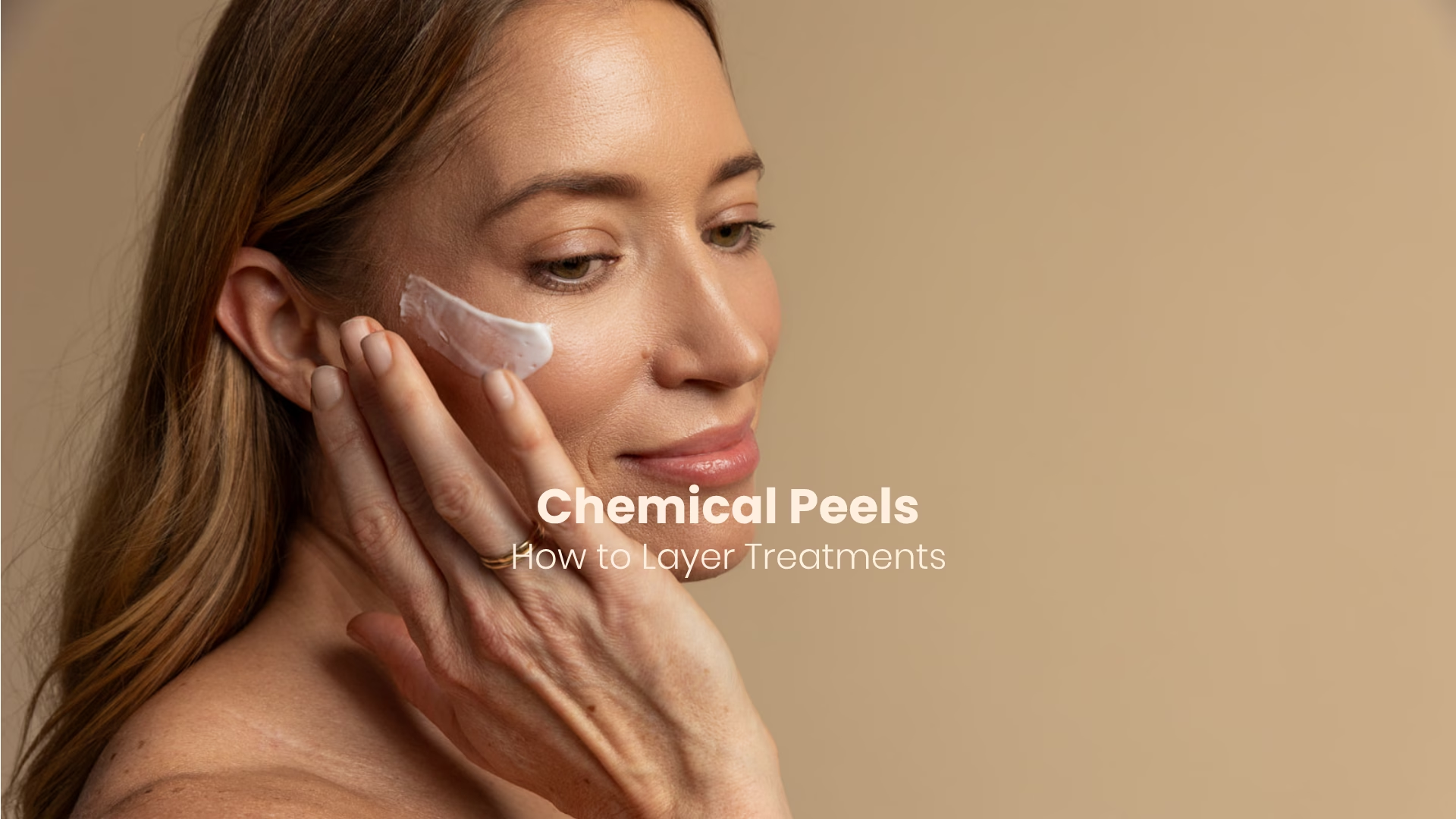
Post-acne hyperpigmentation, the dark or red marks left after a breakout resolves, responds well to chemical peels. A peel encourages cell turnover and helps fade discoloration faster than leaving it to fade on its own. Fall is a strong season for starting a peel series since the reduced UV exposure lowers the risk of rebound pigmentation.
BBL / IPL for Redness and Hyperpigmentation
If your post-acne marks skew red or pink rather than brown, BBL or IPL light therapy targets that vascular component directly. It can also help with uneven texture and general dullness that tends to accompany post-acne skin.
Building Your Fall Acne Treatment Plan
The most effective approach combines in-office treatments with a home routine that supports rather than undermines the work being done at appointments. A rough framework for fall looks like this.
Month 1: Start with an Acne Facial and Skin Assessment
If you haven’t had a professional skin assessment recently, starting with an acne facial gives your provider a chance to evaluate what’s actually happening: not just the visible breakouts, but your skin’s overall health, texture, and what might be contributing to the cycle. From there, you can build a plan that’s grounded in what your skin actually needs rather than what seems like it should help.
Month 2+: Layer in Corrective Treatments
Once your skin is responding to regular acne facials and your home routine is in a better place, corrective treatments become more effective. Starting microneedling, a peel series, or BBL on top of active, inflamed skin tends to produce less consistent results. Getting the inflammation under control first creates a better foundation for treatments designed to address the marks and texture left behind.
Whether you’re dealing with active breakouts, working through acne scars, or trying to figure out why your skin changes every fall, we can help you put together a plan that makes sense for where you are. Book an acne facial in Nashville or an acne facial in Decatur, and we’ll go from there.